-
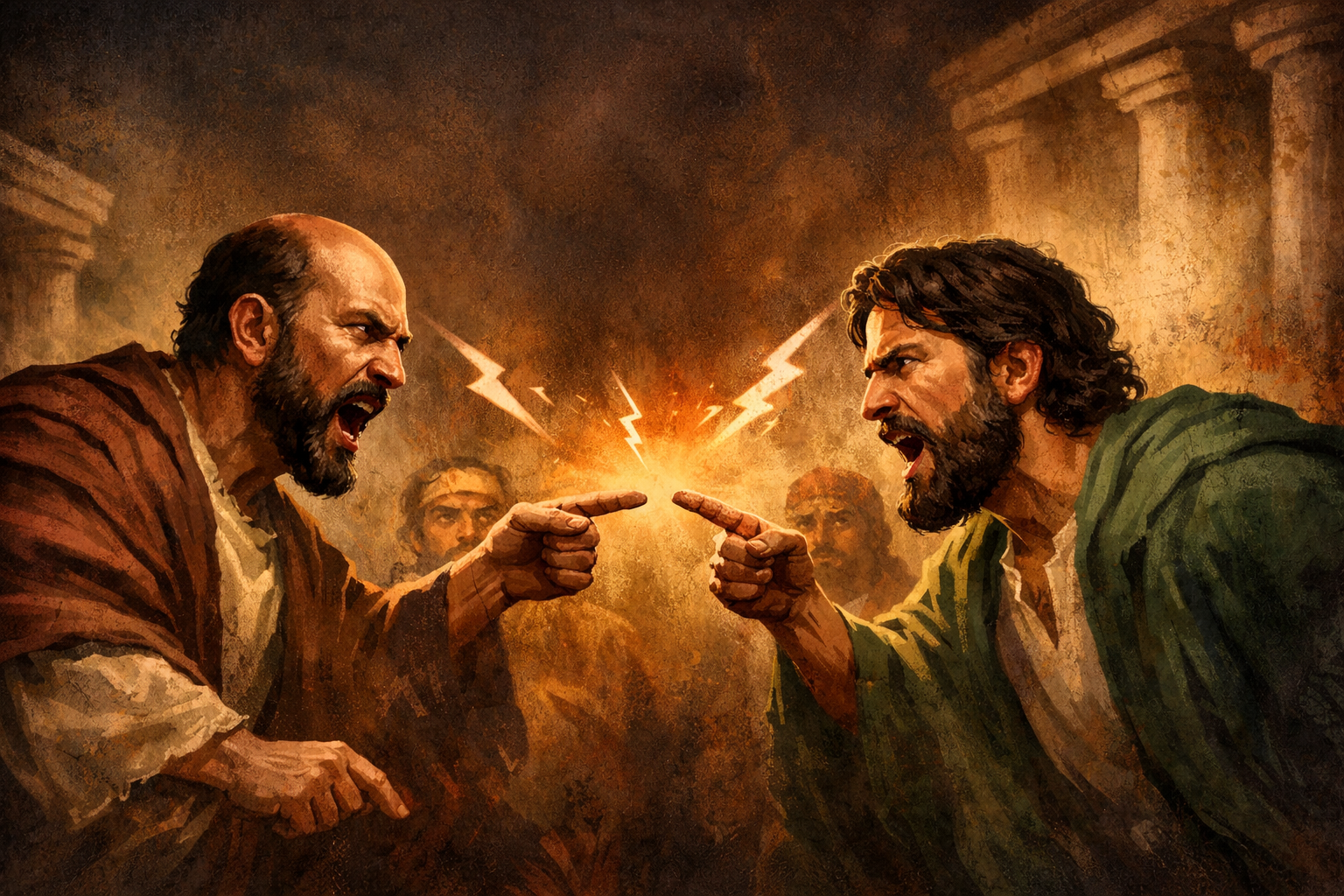
In John 17:21, the Lord Jesus prayed to His Father on behalf of the disciples “that they may all be one” (John 17:21). The Apostle Paul wrote to the church in Corinth (1 Cor. 1:10): “I plead with you, brethren, by the name of our Lord Jesus Christ, that you all speak the same thing,…
-

Should we allow minors into the membership of the church? Most evangelical churches would, without hesitation, answer this question affirmatively. Those that practice infant baptism believe the Bible warrants the inclusion of the children of believers into the membership of the church de jure. On the other hand, many Baptist churches today pressure young children…
-

Religious “Legalism” with a capital “L” is heresy. It’s the belief that one’s personal virtue and obedience to religious norms or standards merits God’s favor and/or salvation. This “do-it-yourself” religion is antithetical to the gospel of Christ and the Bible’s grace-based religion. “For by grace you have been saved through faith,” writes the apostle Paul.…
-

The content explores the concept of degrees of sin, referencing biblical teachings that support the idea that some sins are more serious than others. It contrasts Roman Catholic notions of mortal and venial sins with the argument that all sins are inherently serious and deserving of punishment. The discussion culminates in the notion of the…
-
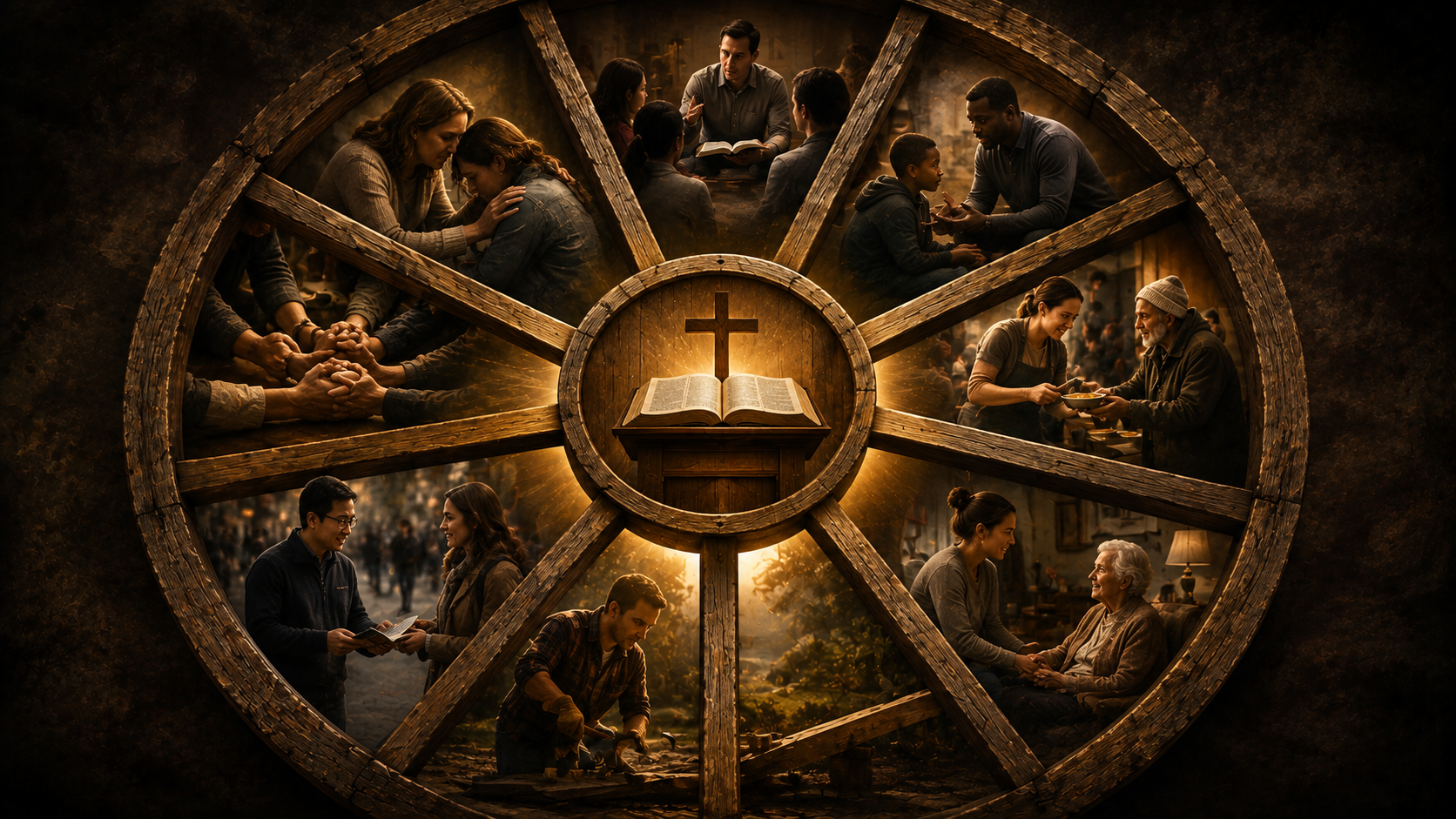
In an article entitled “Ministers All?” R. Scott Clark rejects “the ‘every member’ model” of church ministry as having “a lot more to do with democratic populism than it does with the biblical view of the church.” Along the same lines, T. David Gordon rejects the notion that pastors should equip saints for works of ministry and…
-
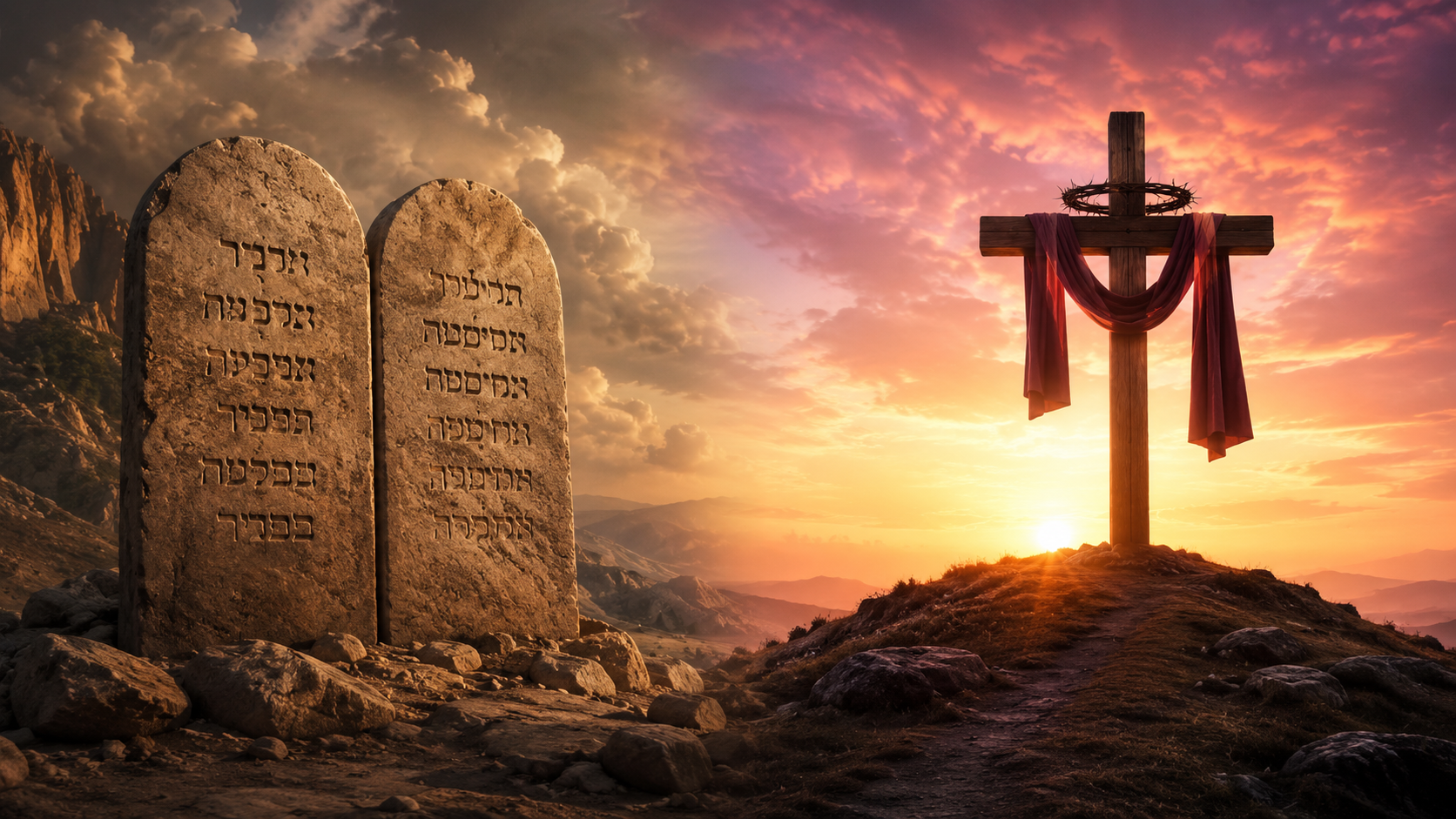
We’ve looked at the law and gospel in terms of “the big picture” and determined that they are interrelated and inseparable concepts (see Part 1). But is it ever appropriate to distinguish law from gospel? In other words, do the biblical writers ever contrast law with gospel? The answer is “Yes.” In fact, such a contrast is…
-
The biblical teaching on “the law” and “the gospel” is massive. And contrary to what some may think, these concepts are complex. They can’t be reduced to a plaque on the wall with the Ten Commandments or a paper tract with Four Easy Steps on how to become a Christian. Instead, law and gospel each have…
-

Psalm 23, beloved in Christian tradition, uses the metaphor of a shepherd to illustrate God’s provision and protection. Scholars debate whether it shifts to the imagery of a host, emphasizing divine kingship. This reading enhances understanding of God’s care, foreshadowing Christ’s role as the ultimate Shepherd-King for believers.
-

John Mark McMillan’s song “How He Loves” compares God’s love to a hurricane, raising questions about this metaphor’s appropriateness. While some may see hurricanes as destructive, the article argues that they can symbolize God’s sovereignty and providence. Even in suffering, believers can recognize divine love and mercy in adversity, as illustrated through Job’s experiences.
-

The post examines Eve’s initial response to the Serpent in Genesis, arguing against the common interpretation that her response indicates the start of sin. It suggests that Eve’s omissions may reflect an attempt to summarize rather than distort God’s words, highlighting her faithfulness to the divine prohibition despite later succumbing to temptation.