-

The Hebrew verb רחם (rḥm) is used over 40 times in the Old Testament and is translated in the Authorized Version as “compassion,” “pity,” or “mercy.” In its basic sense, רחם may mean (1) to feel affectionate love based upon a relational bond, or (2) to show kindness to the inferior or needy. The English…
-

Having considered the decline of family worship (Part 1), as well as some biblical principles (Part 2) and positive benefits to support its practice (Part 3), I’d now like to offer several basic guidelines that should govern our thinking and practice as we endeavor to implement family worship in our homes. 1. Be consistent and…
-
Having considered the decline of family worship (Part 1) and some biblical support for its practice (Part 2), we look now at some positive benefits, which in turn supply another argument for its restoration. As Paul instructs us in 1 Corinthians 10:31, “Whether we eat, drink, or whatever we do, we’re to do all to…
-
In Part 1, we defined family worship as “the occasion in which the members of a given family gather together in order to participate in special acts of worship, such as the singing of praise, the reading and hearing of Scripture, and the offering of prayer to God.” In this segment of our study, we’ll attempt to…
-
I attended a Christian University along with approximately five-thousand other students, most of whom came from Christian homes. Although I never conducted an official survey, my general impression was that very few of my fellow Christian students had grown up in homes where family worship had been regularly practiced. It was a foreign concept to…
-
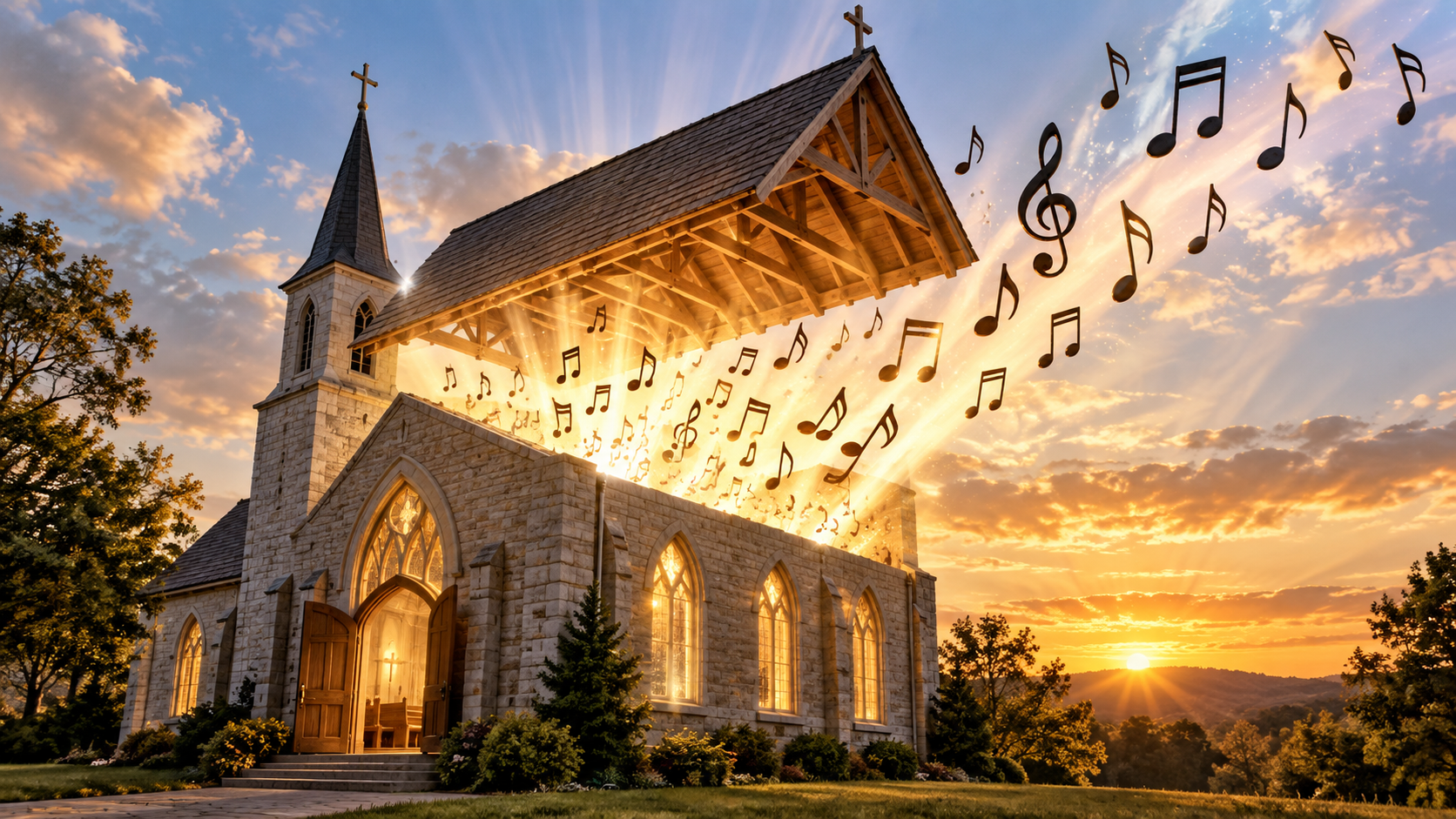
In Psalm 98:4, God’s people are called to crank up the volume of congregational praise: Make a joyful noise to the LORD, all the earth;Break forth into joyous song and sing praises! (ESV). I’d like to offer a brief exposition of the key terms employed, followed by some practical observations. Brief Commentary The Psalmist employs…
-

One of the primary ways the church advances the kingdom of God is through corporate prayer. And when God’s people gather at the throne of grace, they should not limit their prayers to the elect, but they should pray for all people. Why? Because there is a wideness in God’s mercy. While his special grace…
-

In the first half of the twentieth century, several ancient Near Eastern law codes were discovered and deciphered. Many of the laws contained in these codes bear a striking resemblance to some of the Mosaic laws of the Old Testament. This fact has forced Old Testament critics to revise their late date for the Pentateuch…
-

Like as a father pitieth his children,so the Lord pitieth them that fear him.—Psalm 103:13. In the former part of this psalm the Psalmist sang of God’s deeds of love, his gifts, his benefits, and his acts of kindness; but here he goes deeper into the divine motive, and hence he finds sweeter incentives to devout…
-

The Bible sufficiency teaches us everything we need to know in order to know, love and serve God. But how precisely does the Bible reveal this information to us? According to the Confession, the Scriptures reveal God’s will both directly and also indirectly. Here’s how the Westminster Confession states it: “The whole counsel of God…