Practical Theology
-

What should Christians do with the psalms that call on God to judge and destroy the wicked? Are these prayers incompatible with Jesus’ command to love our enemies—or do they still have a place in Christian faith and worship? In these two lectures, I argue that the imprecatory psalms are not expressions of sinful vengeance…
-
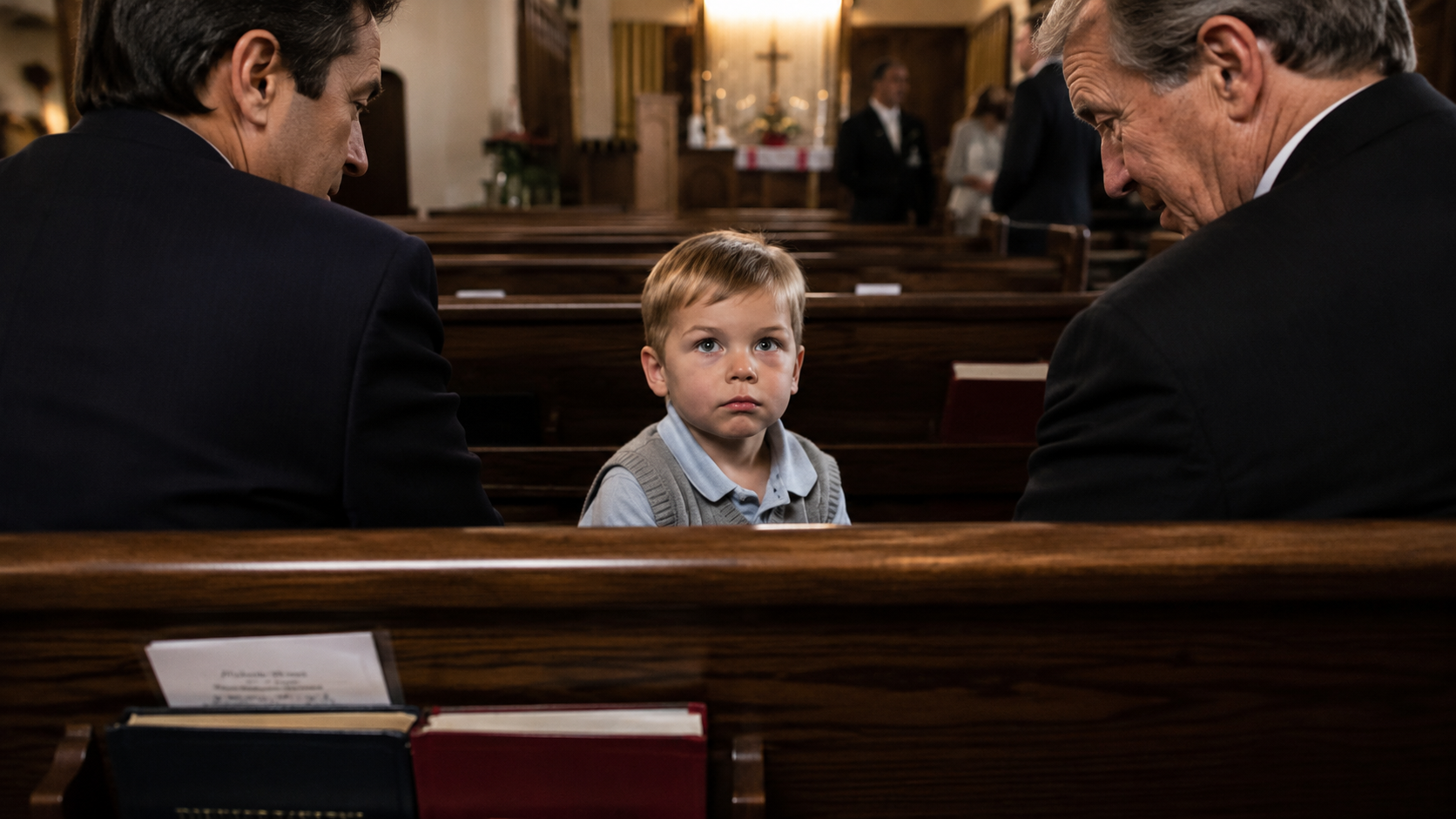
Those of us who view the Lord’s Day as a “Christian Sabbath” must wrestle with the question of what is and what is not appropriate activity for the day. Historically, our tradition, as reflected in the Westminster Confession of Faith, has viewed Sunday as a time to devote almost exclusively to formal acts of public…
-

When we open the Psalms, we normally expect words of comfort, songs of praise, or expressions of trust in the goodness of God. There are laments, of course. Yet most of the laments in the Psalter eventually give us some glimmer of hope, some answer to prayer, some turn toward confidence and praise. Psalm 88…
-

The word “atheism” comes from a Greek word meaning “without god.” According to Webster’s Dictionary, atheism is “disbelief in or denial of the existence of God.” To borrow the language of Scripture, the atheist’s creed can be summarized in the four words: “There is no God” (Psalm 14:1b). But the Bible does not merely state…
-

Depression is one of the most common forms of human suffering. In a typical year, approximately 21 million American adults and another 5 million adolescents experience a major depressive episode. For many, the effects are severe enough to impair work, school, relationships, and daily life. The economic cost alone is estimated between $200 and $300…
-

Following its treatment of the Law (2LCF 19), the 1689 Baptist Confession, following the Savoy, devotes an entire chapter to the Gospel (2LCF 20). However, chapter twenty doesn’t provide us with a definition or description of the gospel. Rather, it addresses the necessity and accessibility of the gospel. In particular, it seeks to answer perennial…
-

The Hebrew verb רחם (rḥm) is used over 40 times in the Old Testament and is translated in the Authorized Version as “compassion,” “pity,” or “mercy.” In its basic sense, רחם may mean (1) to feel affectionate love based upon a relational bond, or (2) to show kindness to the inferior or needy. The English…
-

Having considered the decline of family worship (Part 1), as well as some biblical principles (Part 2) and positive benefits to support its practice (Part 3), I’d now like to offer several basic guidelines that should govern our thinking and practice as we endeavor to implement family worship in our homes. 1. Be consistent and…
-
Having considered the decline of family worship (Part 1) and some biblical support for its practice (Part 2), we look now at some positive benefits, which in turn supply another argument for its restoration. As Paul instructs us in 1 Corinthians 10:31, “Whether we eat, drink, or whatever we do, we’re to do all to…
-
In Part 1, we defined family worship as “the occasion in which the members of a given family gather together in order to participate in special acts of worship, such as the singing of praise, the reading and hearing of Scripture, and the offering of prayer to God.” In this segment of our study, we’ll attempt to…