NT Studies
-

Depression is one of the most common forms of human suffering. In a typical year, approximately 21 million American adults and another 5 million adolescents experience a major depressive episode. For many, the effects are severe enough to impair work, school, relationships, and daily life. The economic cost alone is estimated between $200 and $300…
-

One of the primary ways the church advances the kingdom of God is through corporate prayer. And when God’s people gather at the throne of grace, they should not limit their prayers to the elect, but they should pray for all people. Why? Because there is a wideness in God’s mercy. While his special grace…
-
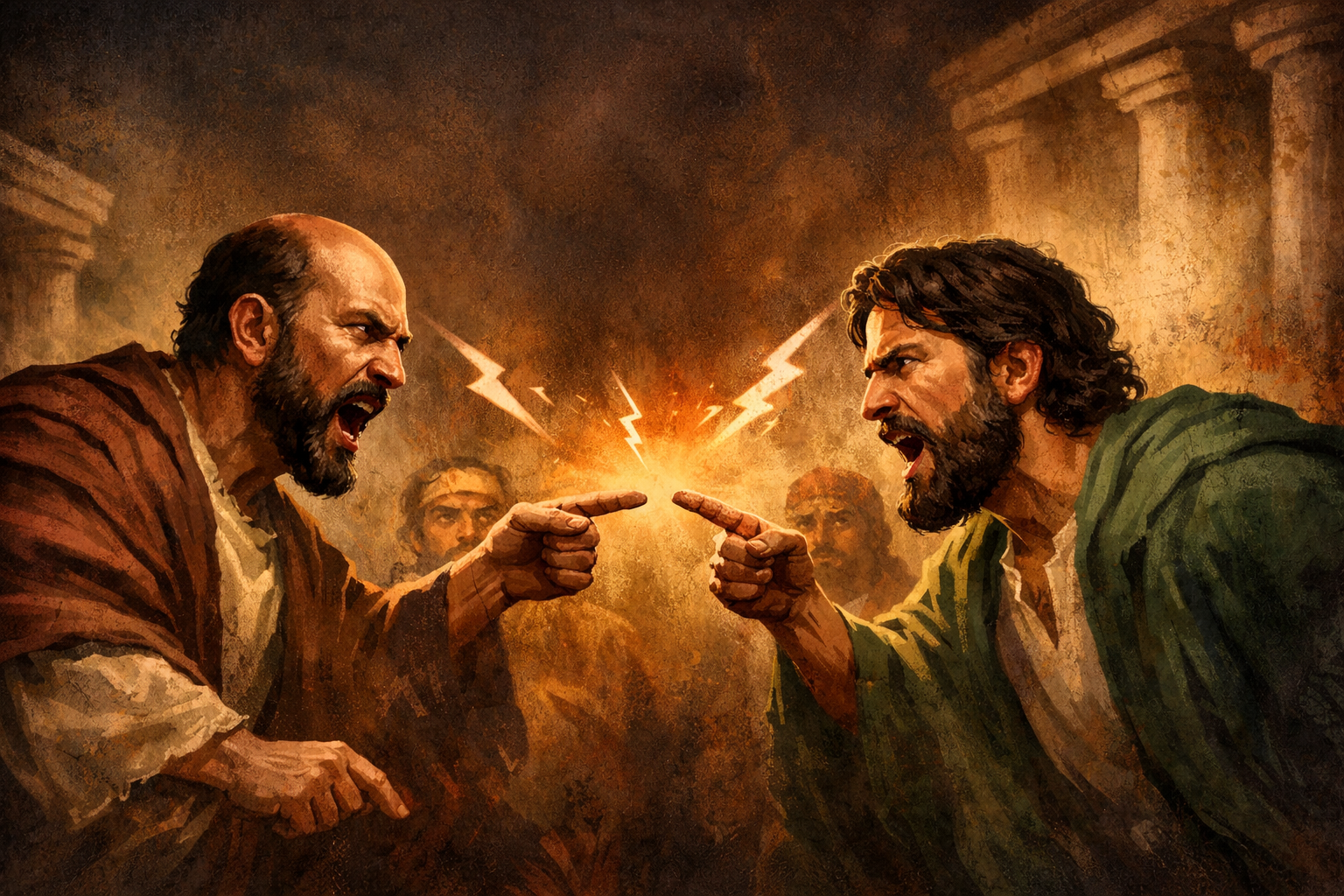
In John 17:21, the Lord Jesus prayed to His Father on behalf of the disciples “that they may all be one” (John 17:21). The Apostle Paul wrote to the church in Corinth (1 Cor. 1:10): “I plead with you, brethren, by the name of our Lord Jesus Christ, that you all speak the same thing,…
-

Should we allow minors into the membership of the church? Most evangelical churches would, without hesitation, answer this question affirmatively. Those that practice infant baptism believe the Bible warrants the inclusion of the children of believers into the membership of the church de jure. On the other hand, many Baptist churches today pressure young children…
-
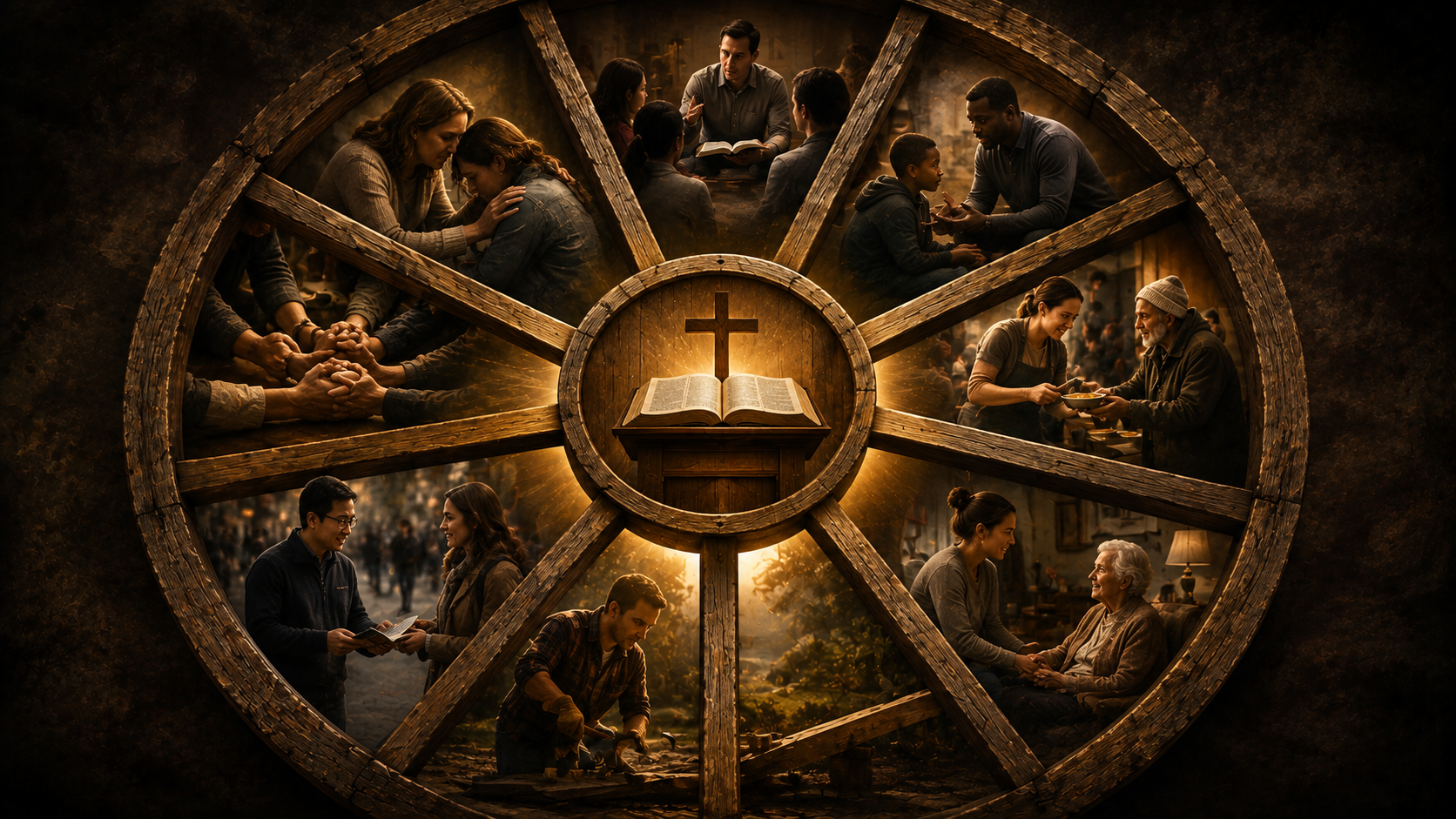
In an article entitled “Ministers All?” R. Scott Clark rejects “the ‘every member’ model” of church ministry as having “a lot more to do with democratic populism than it does with the biblical view of the church.” Along the same lines, T. David Gordon rejects the notion that pastors should equip saints for works of ministry and…
-

We’ve looked at the law and gospel in terms of “the big picture” and determined that they are interrelated and inseparable concepts (see Part 1). But is it ever appropriate to distinguish law from gospel? In other words, do the biblical writers ever contrast law with gospel? The answer is “Yes.” In fact, such a contrast is…
-
The biblical teaching on “the law” and “the gospel” is massive. And contrary to what some may think, these concepts are complex. They can’t be reduced to a plaque on the wall with the Ten Commandments or a paper tract with Four Easy Steps on how to become a Christian. Instead, law and gospel each have…
-

God created humans to worship Him, emphasizing that true worship must adhere to divine guidelines, as indicated in Scripture. Worship should be through Jesus and from the heart, following biblical directives. While elements of worship remain constant, circumstances may vary according to cultural contexts. Unity in worship elements and flexibility in implementation are essential.
-

The author argues that John 3:16 is not merely a statement of God’s love for the elect but serves to invite all sinners to believe and find eternal life. He emphasizes that language’s rhetorical nature requires interpreters to recognize the illocutionary intent behind biblical texts. John Calvin’s view aligns with this broader evangelistic purpose.