Biblical Theology
-
Those of us who view the Lord’s Day as a “Christian Sabbath” must wrestle with the question of what is and what is not appropriate activity for the day. Historically, our tradition, as reflected in the Westminster Confession of Faith, has viewed Sunday as a time to devote almost exclusively to formal acts of public…
-

Following its treatment of the Law (2LCF 19), the 1689 Baptist Confession, following the Savoy, devotes an entire chapter to the Gospel (2LCF 20). However, chapter twenty doesn’t provide us with a definition or description of the gospel. Rather, it addresses the necessity and accessibility of the gospel. In particular, it seeks to answer perennial…
-
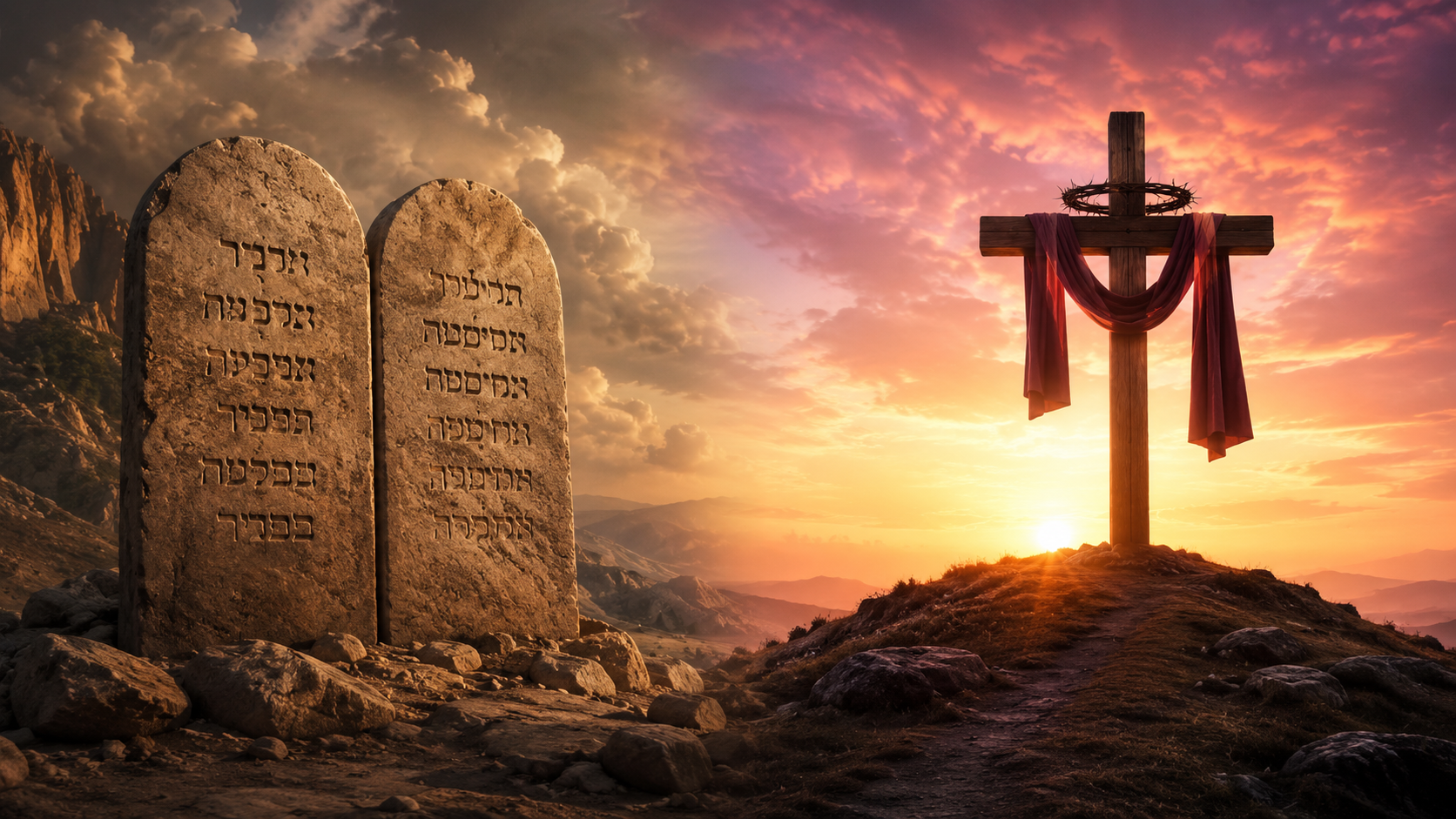
We’ve looked at the law and gospel in terms of “the big picture” and determined that they are interrelated and inseparable concepts (see Part 1). But is it ever appropriate to distinguish law from gospel? In other words, do the biblical writers ever contrast law with gospel? The answer is “Yes.” In fact, such a contrast is…
-
The biblical teaching on “the law” and “the gospel” is massive. And contrary to what some may think, these concepts are complex. They can’t be reduced to a plaque on the wall with the Ten Commandments or a paper tract with Four Easy Steps on how to become a Christian. Instead, law and gospel each have…
-
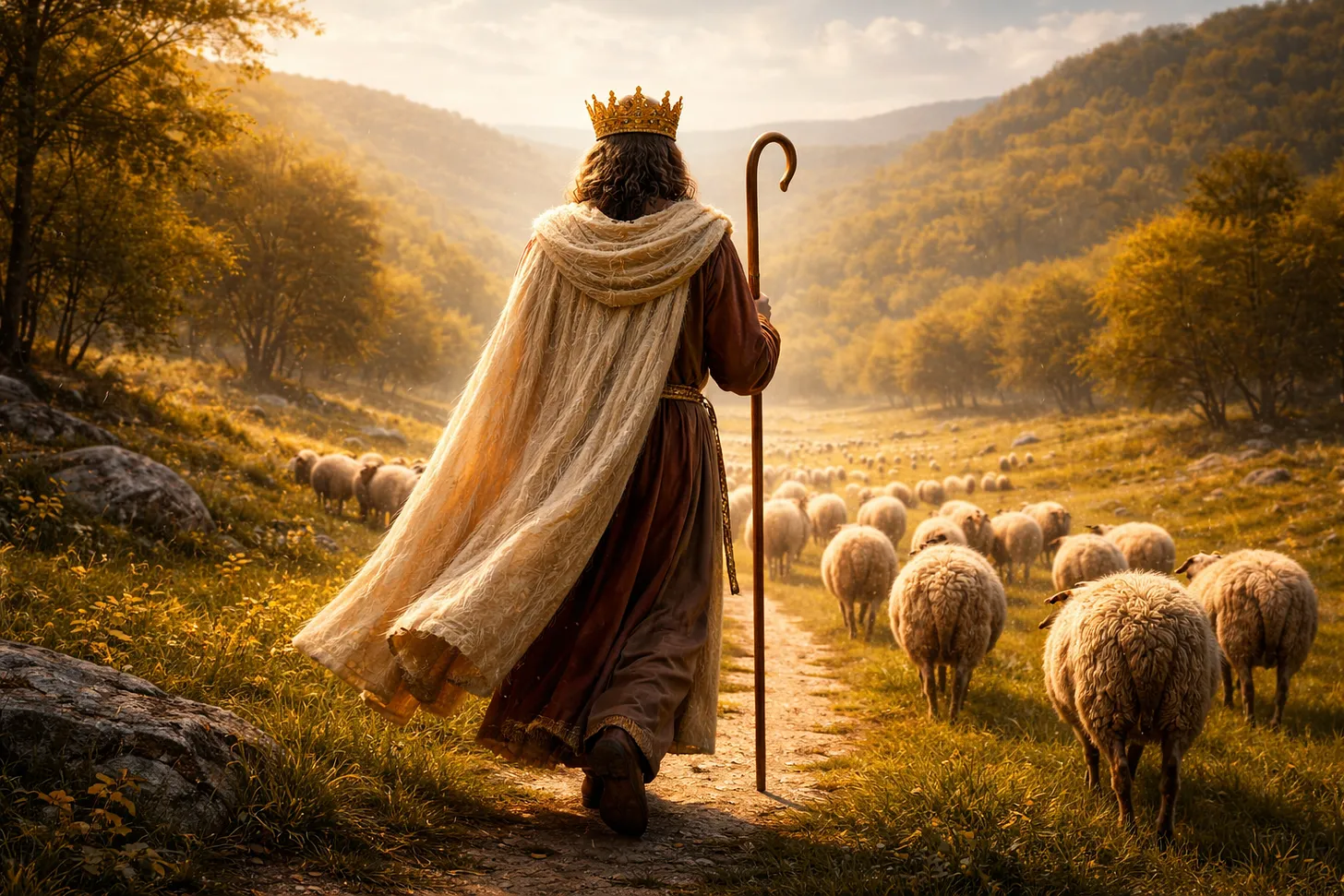
Psalm 23, beloved in Christian tradition, uses the metaphor of a shepherd to illustrate God’s provision and protection. Scholars debate whether it shifts to the imagery of a host, emphasizing divine kingship. This reading enhances understanding of God’s care, foreshadowing Christ’s role as the ultimate Shepherd-King for believers.
-

The post examines Eve’s initial response to the Serpent in Genesis, arguing against the common interpretation that her response indicates the start of sin. It suggests that Eve’s omissions may reflect an attempt to summarize rather than distort God’s words, highlighting her faithfulness to the divine prohibition despite later succumbing to temptation.
-

What exactly was the “serpent” in the Garden of Eden? Most readers picture a simple snake, while many modern scholars treat the figure as a myth, symbol, or metaphor for human temptation. But what if the biblical text points to something far more mysterious—and far more sinister? This article reexamines Genesis 3 and argues that…
-

God created humans to worship Him, emphasizing that true worship must adhere to divine guidelines, as indicated in Scripture. Worship should be through Jesus and from the heart, following biblical directives. While elements of worship remain constant, circumstances may vary according to cultural contexts. Unity in worship elements and flexibility in implementation are essential.