Theology
-

In Genesis 28 Jacob dreams of a stairway linking heaven and earth—a vision that reveals a profound biblical principle: true religion does not arise from humanity’s attempt to ascend to God but from God’s gracious decision to descend and reveal himself. In this lecture commemorating the 500th anniversary of the Reformation, I explore how Jacob’s…
-

What do we say when a Christian mother backs the car over the top of her little toddler and crushes him to death? When a young Christian man discovers he has brain cancer and must soon leave his three young children without a father? When a hurricane destroys the homes and disrupts the lives not…
-
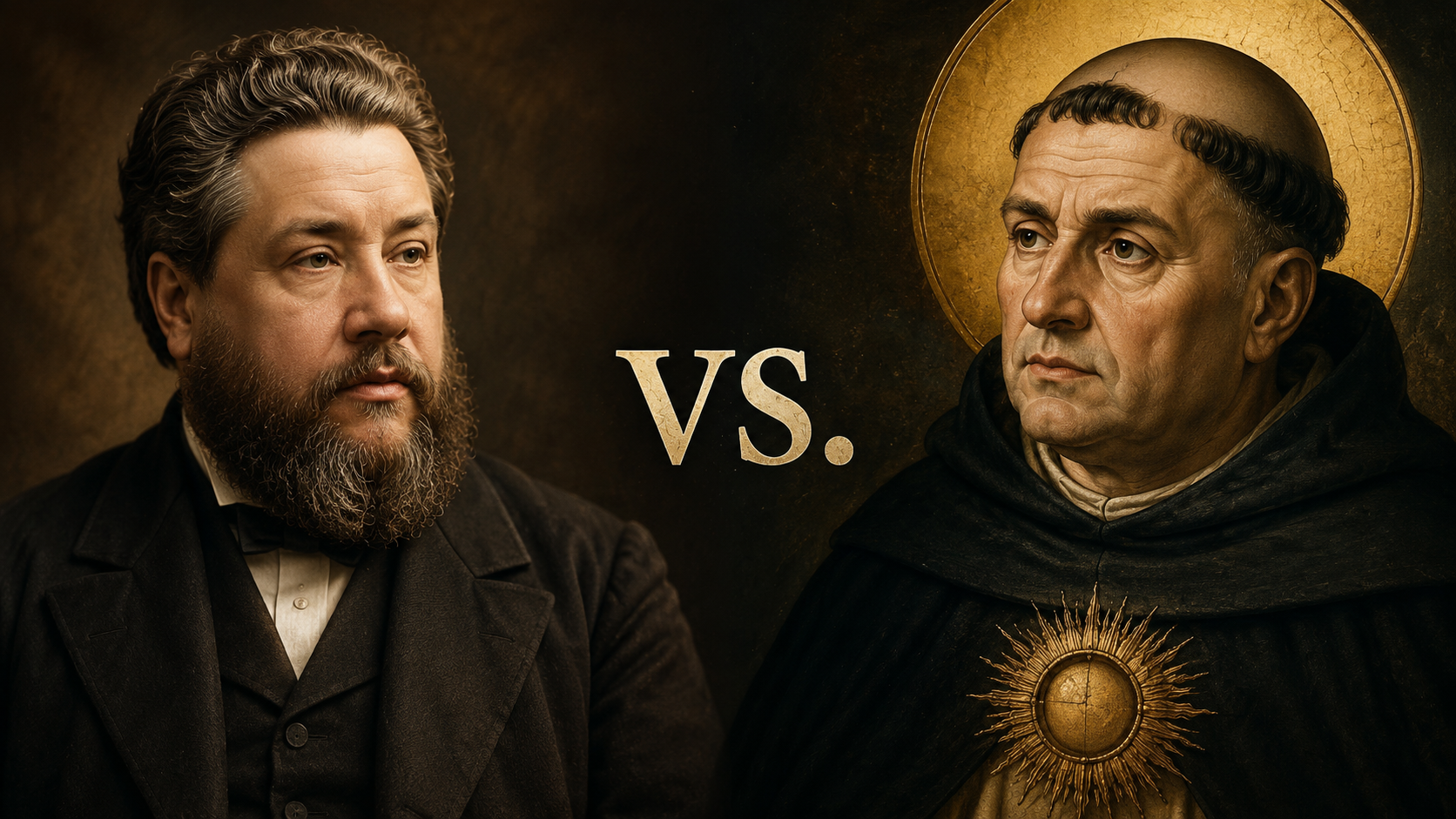
Like as a father pitieth his children,so the Lord pitieth them that fear him.—Psalm 103:13. In the former part of this psalm the Psalmist sang of God’s deeds of love, his gifts, his benefits, and his acts of kindness; but here he goes deeper into the divine motive, and hence he finds sweeter incentives to devout…
-

John Mark McMillan’s song “How He Loves” compares God’s love to a hurricane, raising questions about this metaphor’s appropriateness. While some may see hurricanes as destructive, the article argues that they can symbolize God’s sovereignty and providence. Even in suffering, believers can recognize divine love and mercy in adversity, as illustrated through Job’s experiences.
-

Death is an occasion and funeral homes are a place marked by much sadness and grief. And yet, according to Holy Scripture, there is something potentially beneficial about such an occasion and such a place. As the writer of Ecclesiastes puts it, “It is better to go to a house of mourning than to a house…
-

What exactly was the “serpent” in the Garden of Eden? Most readers picture a simple snake, while many modern scholars treat the figure as a myth, symbol, or metaphor for human temptation. But what if the biblical text points to something far more mysterious—and far more sinister? This article reexamines Genesis 3 and argues that…
-

God created humans to worship Him, emphasizing that true worship must adhere to divine guidelines, as indicated in Scripture. Worship should be through Jesus and from the heart, following biblical directives. While elements of worship remain constant, circumstances may vary according to cultural contexts. Unity in worship elements and flexibility in implementation are essential.
-

The Old Testament’s teachings on the afterlife have been criticized by modern scholars who argue that it lacks hope for resurrection and eternal life compared to the New Testament. However, careful analysis reveals that foundational beliefs about God’s power over life and death, covenantal relationships, and redemptive promises provide early indications of hope for life…
-

The discussion on Thanksgiving highlights an innate human instinct to express gratitude, rooted in both cultural traditions and spiritual beliefs. Despite its commonality, many individuals fall short of honoring God through thanks. Ultimately, this lack of gratitude illustrates a deeper need for forgiveness and transformation in recognizing and appreciating divine blessings.
-

John Frame is one of my favorite theologians. His conspicuous commitment to the supremacy of Scripture (sola Scriptura) is a big reason I like his theological writings. Frame not only affirms sola Scriptura as one among many important doctrines. He believes the doctrine itself should control the way we think about and apply theology.